Poker Showdown Rules: Who Shows First and How Pots Are Split
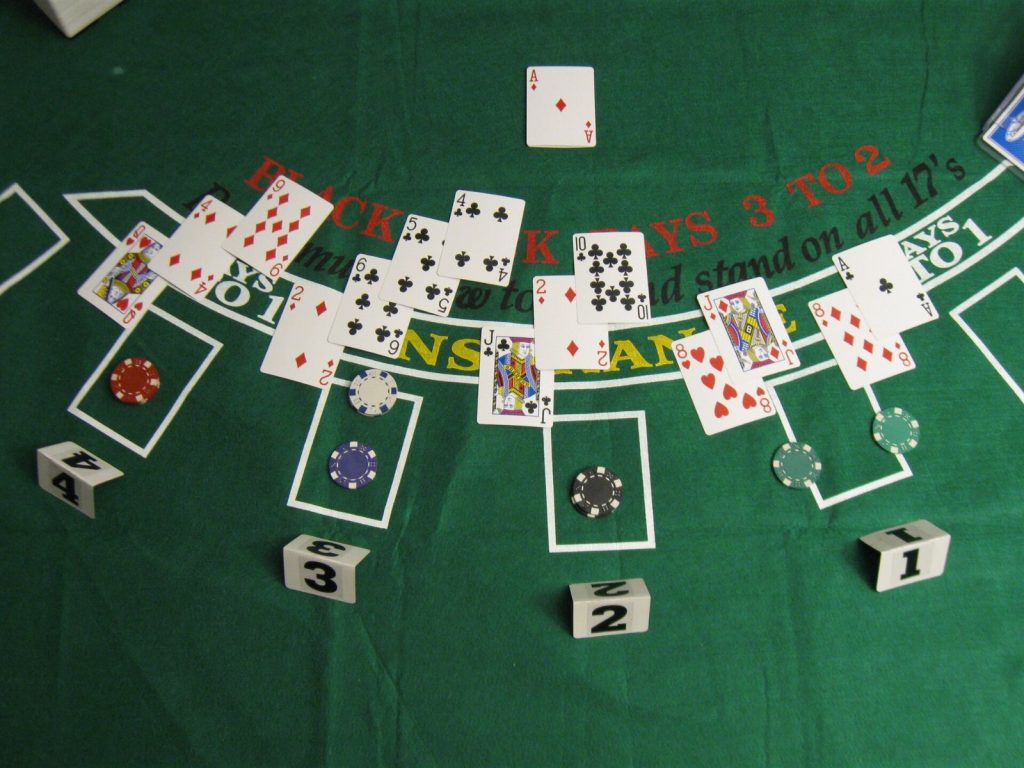
The showdown is the moment when the tension of a hand comes to an end. Two or more players are still in after the last bet, and now the cards must be revealed to decide the winner. Many beginners think everyone simply flips their cards at the same time, but poker showdown rules have their own order and etiquette.
This article does not cover the details of hand rankings. Instead, it covers the procedure: when a showdown happens, who must show first, what mucking means, and how the pot is divided when a player is all-in or when hands tie.
When a Showdown Happens
A showdown only happens when the river betting round is complete and at least two players remain. If everyone else folds at any stage, the last player wins immediately without a showdown and does not have to show their cards.
A showdown can also arrive earlier in practice. If every remaining player is all-in before the river, no more betting is possible. At many tables, the cards are turned face up right away, and the dealer then completes the remaining community cards.
This situation is often called an all-in showdown. Because no further decisions can be made, revealing the cards early does not hurt anyone. In fact, it prevents a player from quietly discarding their cards after seeing the result, and it lets everyone at the table confirm that the community cards were dealt correctly.
Poker Showdown Rules on Who Shows First
The most common rules work like this.
- If there was a bet or raise on the river, the player who made the last aggressive action shows first.
- If every player checked on the river, the first active player to the left of the dealer button shows first.
- The next players show in clockwise order, or they may choose to discard their cards without showing.
This order can differ slightly between tables or organizers, so it is a good idea to ask about house rules before you start. Many players also choose to show right away when they are confident in their hand, because it speeds up the game.
Mucking: Discarding Without Showing
After seeing an opponent’s cards, a player who is sure they have lost may throw their cards into the discard pile without showing them. This is called mucking. Once cards reach the discard pile and are mixed in, they are usually considered dead and cannot be claimed, even if they would actually have won.
Cards Speak
This principle means the cards on the table decide the result, not what the owner says. If you call your hand “just one pair” while your cards actually form a flush, the dealer will read the cards as they are. That is why it is best to turn both hole cards face up clearly and let the dealer read them, rather than rushing to throw them away.
Splitting the Pot When Hands Are Equal
Sometimes two or more players hold five-card combinations of exactly the same value. In this case the pot is divided evenly, which is called a split pot. Suits, such as spades or hearts, are not used to break ties in Texas Hold’em.
If the pot cannot be divided evenly because one smallest chip is left over, the house rules decide who receives it. A common rule gives the odd chip to the first winning player to the left of the button.
Side Pots: When a Player Is All-In
A side pot appears when one player goes all-in with fewer chips than the other players who are still betting. The all-in player can only win the part of the pot that matches what they put in from each opponent.
| Player | Chips put in | Eligible for |
|---|---|---|
| A (all-in) | 50 | Main pot |
| B | 120 | Main pot and side pot |
| C | 120 | Main pot and side pot |
In this example, the main pot holds 150 chips (50 from each player) and can be won by any of the three. The side pot holds 140 chips (the remaining 70 from B and 70 from C) and is contested only by B and C. At the showdown, the side pot is usually settled first, followed by the main pot.
Etiquette at the End of a Hand
- Do not turn over another player’s cards or comment on cards that have not been shown.
- Let the dealer read and announce the result before you collect any chips.
- Avoid the slow roll, which means deliberately delaying the reveal of a hand that clearly wins.
- Keep your cards on the table and in view until the pot has been paid.
One small habit that is often overlooked is protecting your own cards. Placing a chip or a small object on top of your hole cards helps prevent the dealer from accidentally sweeping them away before the showdown is complete.
Final Thoughts
An orderly showdown makes everyone feel they were treated fairly. While learning, use chips with no money value and set a time limit. Remember too that gambling laws differ from country to country, some countries ban it, and poker played for money is only suitable for adults as entertainment, not as a way to earn money.